Backsplash Height and Countertop Edge Transitions
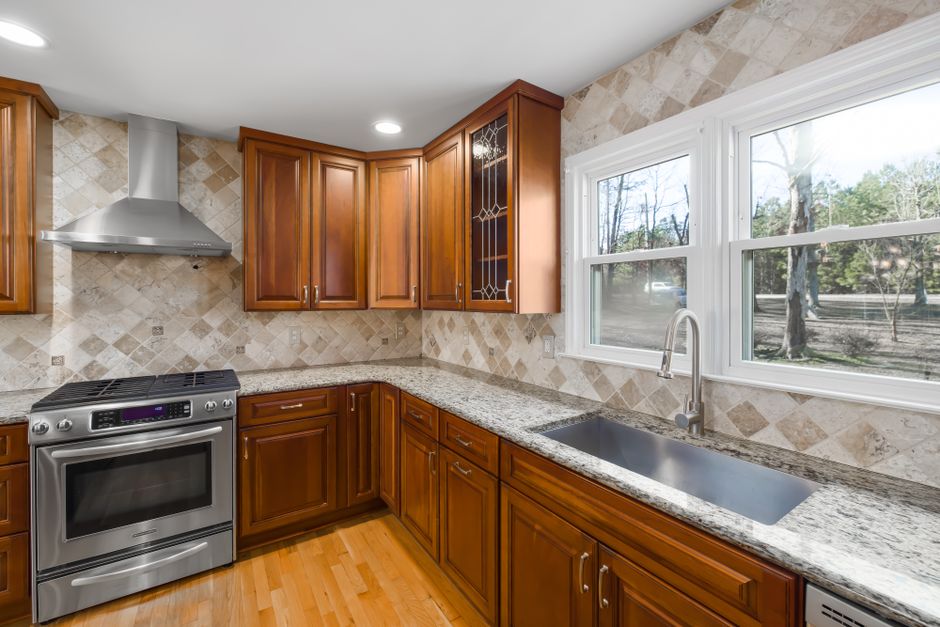
Press a flat hand along the wall behind the countertop and feel where it stops being straight. That is the real edge of the work, and temecula kitchen countertops the variable life sets the order deliberately: wall first, then backsplash, then the edge that meets it. A kitchen in Temecula, CA with a slightly bowed wall or an older window sill will test every one of those joints.
Choosing the backsplash height
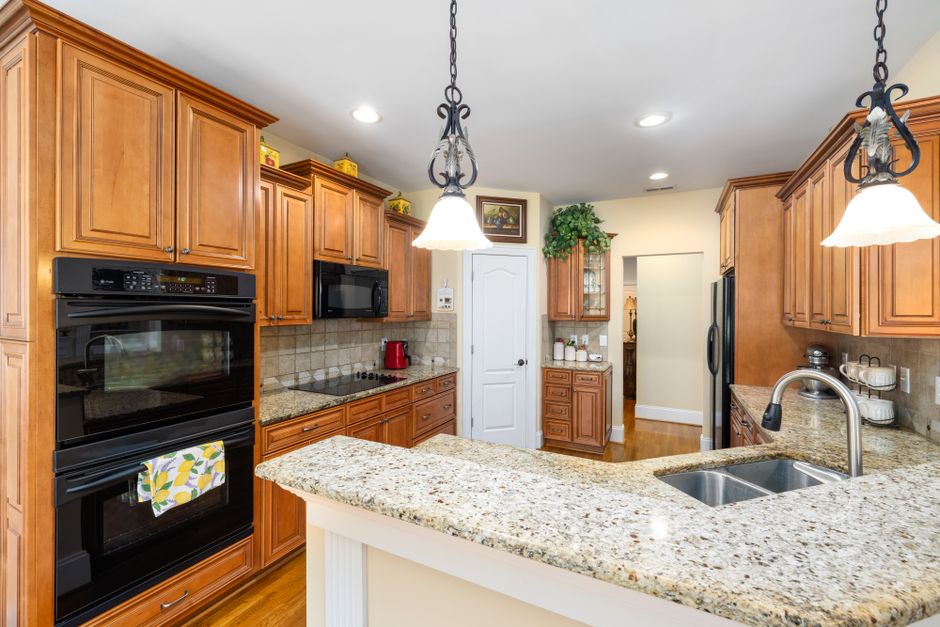
A four inch splash of the same quartz or granite as the top is the quick answer, and it protects the wall from a wet sink. A full height backsplash of tile or a slab runs to the upper cabinets and makes the wall easy to wipe. The wall behind the cooktop earns the full height, since grease reaches that far. Decide before the template, so the countertop is cut with the right back edge.
Outlet placement
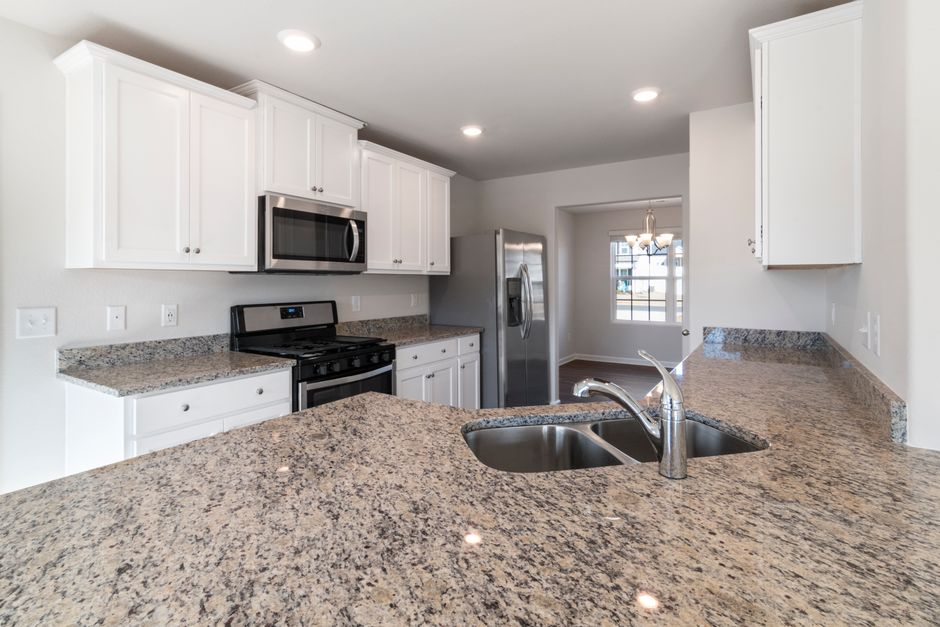
An outlet sitting right on the splash line is the classic mistake. If the outlet box is too high, the splash lands underneath it. If it is too low, the cover plate overlaps the stone. Electricians move boxes during the backsplash work to a spot the fabricator has marked. On an island, the outlet goes on the end panel or under the overhang, as the code requires, and a pop-up unit is another option that keeps the surface clean.
Where the countertop meets a window
A window above the sink is a feature of many kitchens near Murrieta Creek and the Temecula Creek side of town. The stone either runs to the glass with a sill, or stops at the wall with a gap beneath. The sill and the countertop should share a material when they touch. A seam at a window corner is a weak spot, because the cutout narrows the stone, so the corner gets support or a generous radius.
The gap that needs caulk
Walls are never perfectly flat, and a countertop meeting a wall always leaves a hairline. Flexible caulk fills it, matches the color of the stone and moves with seasonal expansion. Grout in that joint will crack. At the cooktop and the sink, the caulk should be a type rated for heat and water. A bead along the bottom of a tile backsplash keeps water from running behind it, and a fresh bead every few years is cheap maintenance.
Edge profiles at the transitions
Where the countertop turns a corner or drops into a lower surface, the edge profile has to match. An eased edge looks quiet against a bullnose, but the two together read as a mistake. Waterfall edge sections on an island, which run the stone down the cabinet side, need extra planning, because the seam at the corner has to line up with the grain. Pick one profile for the whole kitchen, and use the second only on a separate piece such as a butcher block insert or a laminate bar.